

Skip to Content
On Court

Sofia Kenin Brings the Pain

[vc_empty_space height="5px"]

By Giri Nathan

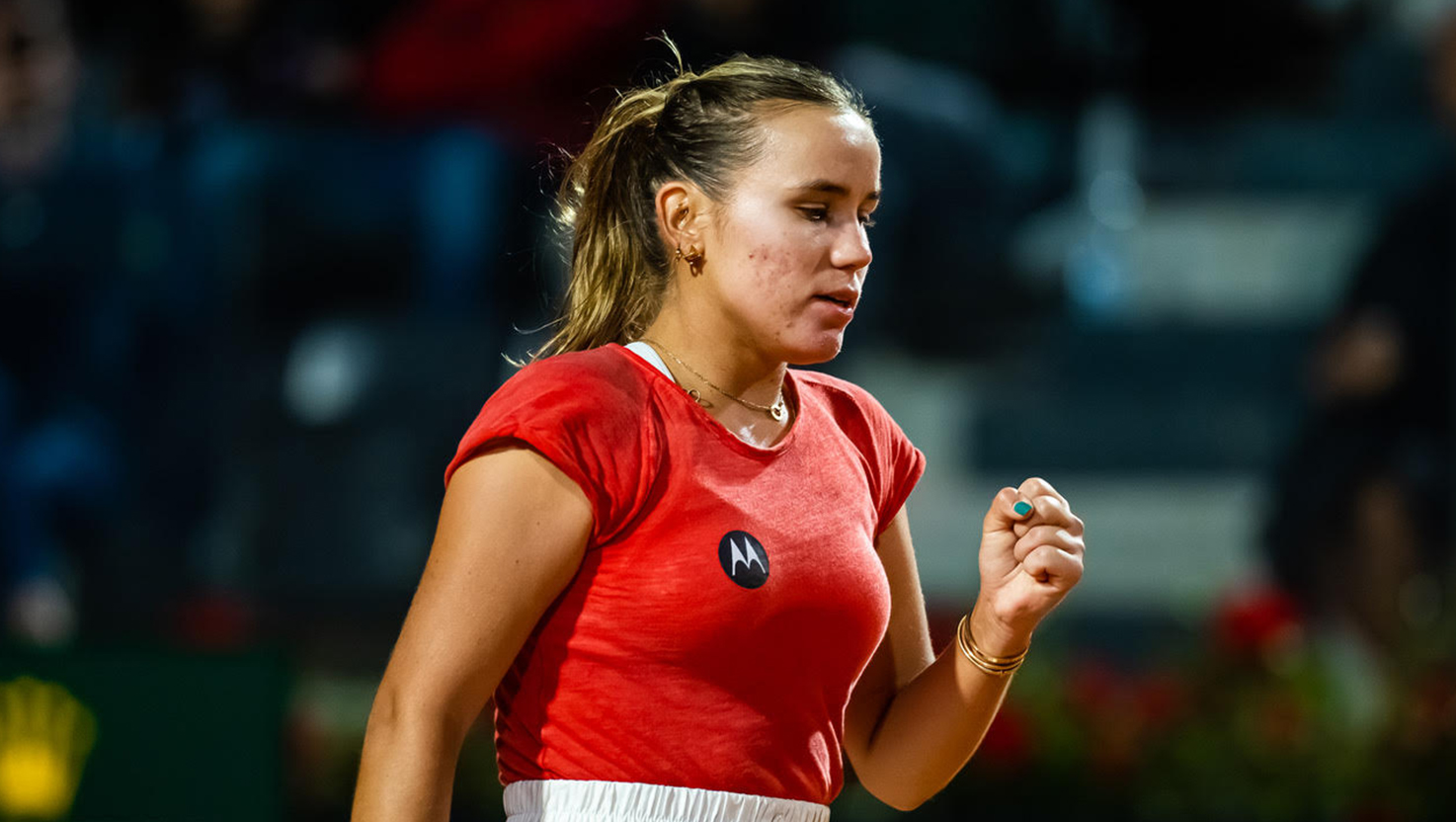
[vc_empty_space height="15px"]The last time Sofia Kenin beat a top 10 player, she was en route to winning the Australian Open. That was 2020. Later that year she was the runner-up at Roland-Garros. For anyone invested in her success, that must all feel prehistoric by now. Now 24, the child prodigy–turned–major champ had been hurt and/or adrift for two whole seasons. After falling outside the top 300, Kenin has recently worked her way back up to world No. 134 but is very much a work in progress. (Just the other day in Madrid she got nixed first-round by world No. 75 Maryna Zanevska in less than an hour.) Generally a rebuilding player like her would be a quick snack for Aryna Sabalenka, the world No. 2, fresh off a loud Madrid title win over world No. 1 Iga Swiatek. But Kenin approached their second-round matchup in Rome on Thursday as if rankings did not exist, as if it were just one AO champ meeting another on equal footing. And a spectacular, vintage Kenin dispatched Sabalenka 7–6(4), 6–2.

In hindsight we can piece together the logic of the upset. Kenin may well be the patron saint of undersized juniors who relish torturing bigger and more athletic players. She’s quick, she takes compact and early swings, and she can abruptly change the trajectory of the rally, even when the incoming ball is as heavy as Sabalenka’s. It feels stupidly obvious to observe that tennis is about putting the ball wherever the opponent isn’t, but watch a player like Kenin in full flow and you’ll realize that there are levels to that particular art. When faced with a tall and explosive hitter, she refuses to back down from the pace and bats the ball around the court at tight angles to expose her opponent’s movement. We saw this recently in her two-tiebreak loss to eventual Indian Wells titlist Elena Rybakina, which was the biggest hint in years that Kenin might be back to her old ways. Here was hint No. 2. She had Sabalenka looking outright sluggish in plenty of these rallies. Which brings us to the other half of the upset: Sabalenka is beat. She’d reached two straight finals in Stuttgart and Madrid, and her 29 wins are the highest tally of anyone on tour this season. These back-to-back 1000-level tournaments are perhaps the most draining stretches of the calendar for players who go deep every week. Afterward, she tweeted about needing to recharge her batteries. She’ll get a solid 10 days off before Roland-Garros.

Throughout this victory, Kenin remained a permanent coil of anxiety and fury. That’s always been her style, even when the scoreboard is looking good, and while it is weirdly entrancing to watch, it does occasionally make you wonder if she’d benefit from a calming presence. In recent months, Kenin said she was working with Michael Joyce, coach of several WTA stars past and present, alongside her main coach (and father), Alex Kenin. She thrived in that span, winning matches at Indian Wells, Miami, and Charleston. It’s unclear now whether Joyce was a temporary collab or a more permanent addition to the team. One of my few convictions about coaching is that these pros should stop working with their parents as soon as it is emotionally and financially feasible to do so. In 2021, Kenin briefly broke from her dad’s tutelage to work with coach Max Wenders. After their partnership ended—and with no indication that these offenses had anything to do with Kenin—Wenders received a 12-year ban from tennis for match-fixing, destroying evidence, and other corrupt practices. So Dad is probably a safer choice, relatively speaking. If Kenin keeps playing herself into her old form, maybe it doesn’t matter who’s sitting in the player’s box anyway.[vc_empty_space height="10px"][vc_empty_space height="15px"]Above: Kenin x Rome = resurgence. (Getty)[vc_column width="1/6"][vc_tweetmeme share_via="racqetmagazine"][vc_column width="1/6"][vc_facebook type="button_count"][vc_column width="1/6"][vc_column width="1/6"][vc_column width="1/6"][vc_column width="1/6"][vc_empty_space height="45px"][vc_column width="1/4"][vc_column width="1/2"][vc_custom_heading text="Now Available" font_container="tag:h5|font_size:25px|text_align:center"][vc_custom_heading text="ISSUE NO. 22" font_container="tag:h5|font_size:45px|text_align:center"][vc_empty_space height="10px"]

[vc_btn title="BUY NOW" style="outline" shape="square" color="success" size="lg" align="center" button_block="true" link="url:https%3A%2F%2Fshop.racquetmag.com%2Fcollections%2Ffeatured-products%2Fproducts%2Fissue-no-22|title:SHOP||"][vc_column width="1/4"]

Stay in touch

Sign up for our free newsletter

More Stories

Postcard from Wimbledon: Practice Is a Privilege

In this letter of recommendation, our correspondent reports from the All England's Aorangi Park, where the press can sit and absorb a sense of wonder and astonishment and porous, melancholy outsiderness. Where we are reminded, after all, that we are mere witnesses to these shapes and strokes of beauty, and not their arbiters.

July 6, 2026

How Wimbledon Stays Elite, but Not Elitist

Wimbledon Court is the All England Lawn Tennis Club’s effort to give New Yorkers the chance to play on a rare surface in the city’s backyard. It’s also part of a larger effort to ensure the tournament delivers on its promise of “the pinnacle of sport” and broadens the tennis fanbase to the next generation.

June 29, 2026

Postcard from Mallorca

The racquet-sports draw to this Balearic gem is no longer for rabid junior prospects only—now it’s the grown ups with a taste for design hotels, regional hospitality and a seamless itinerary of sport and wellness who are recalibrating the island’s racquet-sport vibe.

June 28, 2026

The Art of Staying Present

A Canadian artist finds inspiration on Texas tennis courts

June 26, 2026

Spoils Rotten (and Good)

The Best and Worst Trophies on Tour

June 17, 2026

Grass at Last!

Racquet welcomes a shift to the green stuff, and chats with Matteo Berrettini on injuries, BOSS, and the genetic lottery.

June 17, 2026