


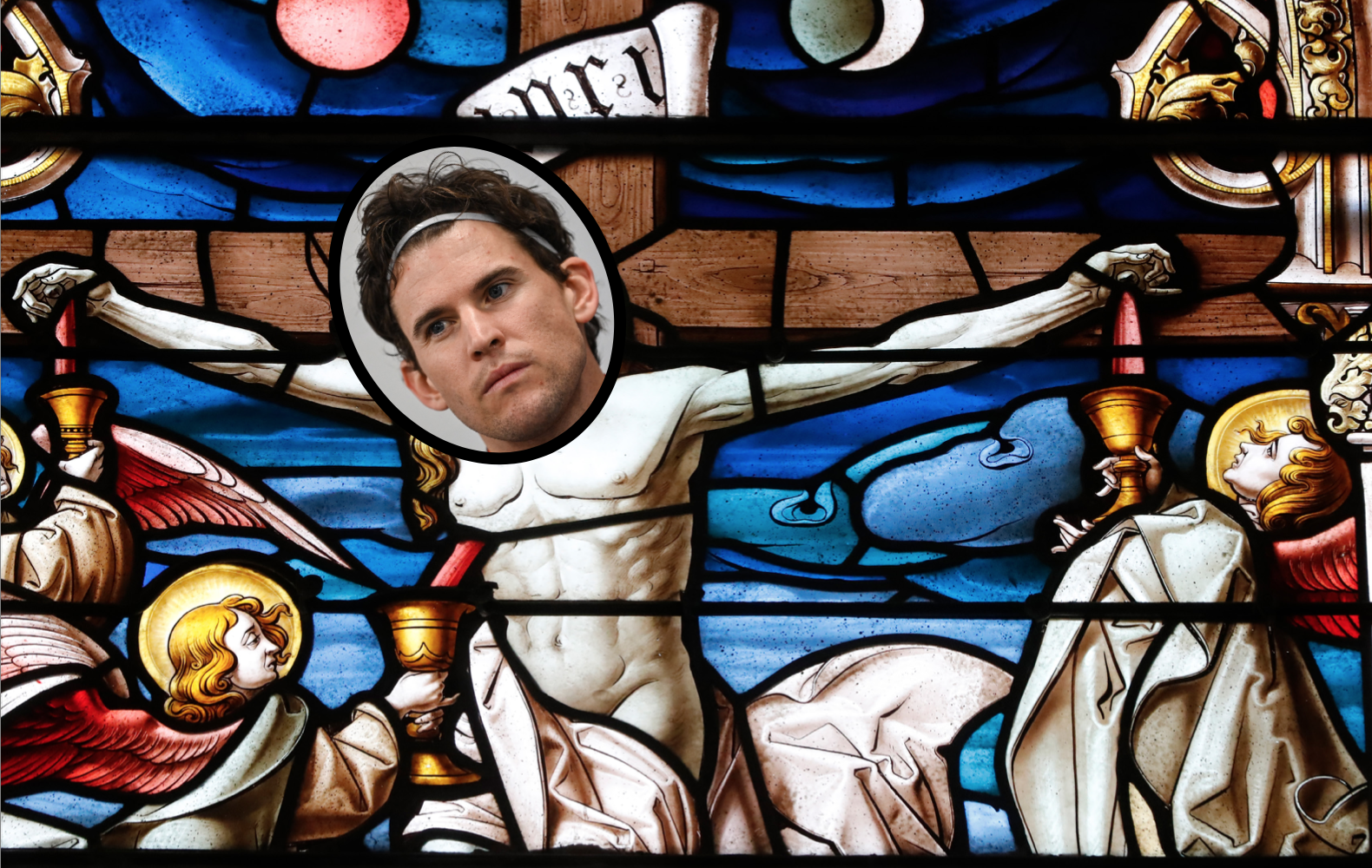
In August, I watched Dominic Thiem play the last Grand Slam match of his career, courtside in Arthur Ashe stadium. Thiem’s family and team were in his box, including former coach Nicolás Massú, their faces solemn in the midday sun. American Ben Shelton, whose star power and biceps have only increased in size since his breakout season last year, was Thiem’s opponent. Thiem played with occasional moments of beauty—the ghost of his US Open-winning self dancing in the shadows of a one-handed winner—but Shelton devoured him. It was heartbreaking, and perversely compelling.
I don’t know what it says about me, but exploration into this kind of pain has long fascinated me. The body and the mind shutting down are within the natural order of things, but it’s always melancholic when it arrives in surprise order—Ashe was, after all, the site of Thiem’s greatest victory four years prior. Watching him at this year’s Open was to see the other side of a dream halted cold. I wrote for Racquet Issue 25 about Thiem’s journey—the vaunted heights he climbed to, and the unwavering agony of the fall. -Caira Conner
The following is excerpted from Caira Conner's "Dominic Thiem's Crucible of Pain" in Racquet Issue 25.