

Tennis has been learning a new language for most of the last decade. Players who may have suffered in silence in the past are now freely talking about anxiety, burnout, depression, and the unrelenting pressures of life on tour. What used to be discussions behind locker room doors or in private circles are now happening at press conferences, in documentaries, podcasts, and on social media feeds.
In many ways, the change is necessary, and long overdue—a corrective to a culture that too often rewarded stoicism and treated vulnerability as weakness. Tennis has spent years working to destigmatise emotional struggle, encouraging athletes to speak more openly about the realities of elite competition. But every cultural change has unintentional repercussions.
Tennis players have always been accessible to the public, to a degree. Press conferences, parties, interviews, unrelenting commitments, and promotional appearances are all part of the foundation of professional sport. They help tournaments attract audiences, help sponsors justify their investments, and help fans connect with the people they follow. But what it truly means now has completely shifted.
The goal isn’t to undo the progress tennis has made around mental health. The sport is healthier, as players have felt more confident to speak out about anxiety, grief, fatigue and inner struggles. The subsequent step should be different: how to preserve that frankness without creating the expectation that every setback or hardship deserves a public explanation.
In the past, players were supposed to explain what happened on the court. Today, they are increasingly asked to tell what is happening off of it. A disappointing loss now raises questions about confidence, motivation, mental health, personal situations, or conflicts. That’s not a bad thing. The increased openness has helped to break down long-held stigmas and encouraged athletes to delve deep into the pressures they face in their career trajectory.
The discussion has moved on. The question is no longer whether players should feel free to speak; tennis has already begun to answer that. The next challenge is preserving that openness without allowing it to become an expectation, one that quietly assumes every setback or difficult moment deserves a public explanation.
In the world of tennis, players are no longer required to perform on their own. They are expected to narrate their own stories. An injury can sometimes be absorbed by the rhythm of a season in soccer or basketball, but the racquet sport is all about individuals, whose visibility is part of the product. Rankings are updated weekly; entry lists are published even months in advance; appearances drive campaigns around sponsors. Furthermore, fans track training clips, airport sightings, Instagram stories, TikTok shenanigans, and practice sessions with the most forensic attention. In such an ecosystem, absence isn’t contemplated. It slowly becomes a riddle waiting to be resolved.
Sports psychologist Josh Burger, founder of Tiebreaker Psych, states that the demands placed on elite tennis stars go well beyond training and competition: "Players spend significant time and energy on interviews, press conferences, social media, and other PR demands." Burger believes the burden doesn’t have to be unavoidable. Making a few small structural changes could improve player safety while keeping the sport connected to its fans. Everyone would benefit from it.
"Not enough consideration is given to the mental and physical demands on professional tennis players," Burger clarifies. "This often leads to players burning out, underperforming, and needing to step away from the game. In my view, there should be more understanding and sympathy for elite athletes experiencing these stressors. If an athlete needs to withdraw from a few tournaments or take an extended absence from the professional tour, fans should understand that it isn't just due to the physical demands of tennis but that the mental and emotional demands of the sport also have a considerable impact."
The last few years have provided many examples, all different in circumstance but linked to a common thread. One of the first conversations about media duties happened when Naomi Osaka didn’t attend mandatory press conferences at Roland Garros in 2021. The episode had quickly ballooned into a much more extensive conversation about emotional labor, institutional expectations, and the limits of accessibility.
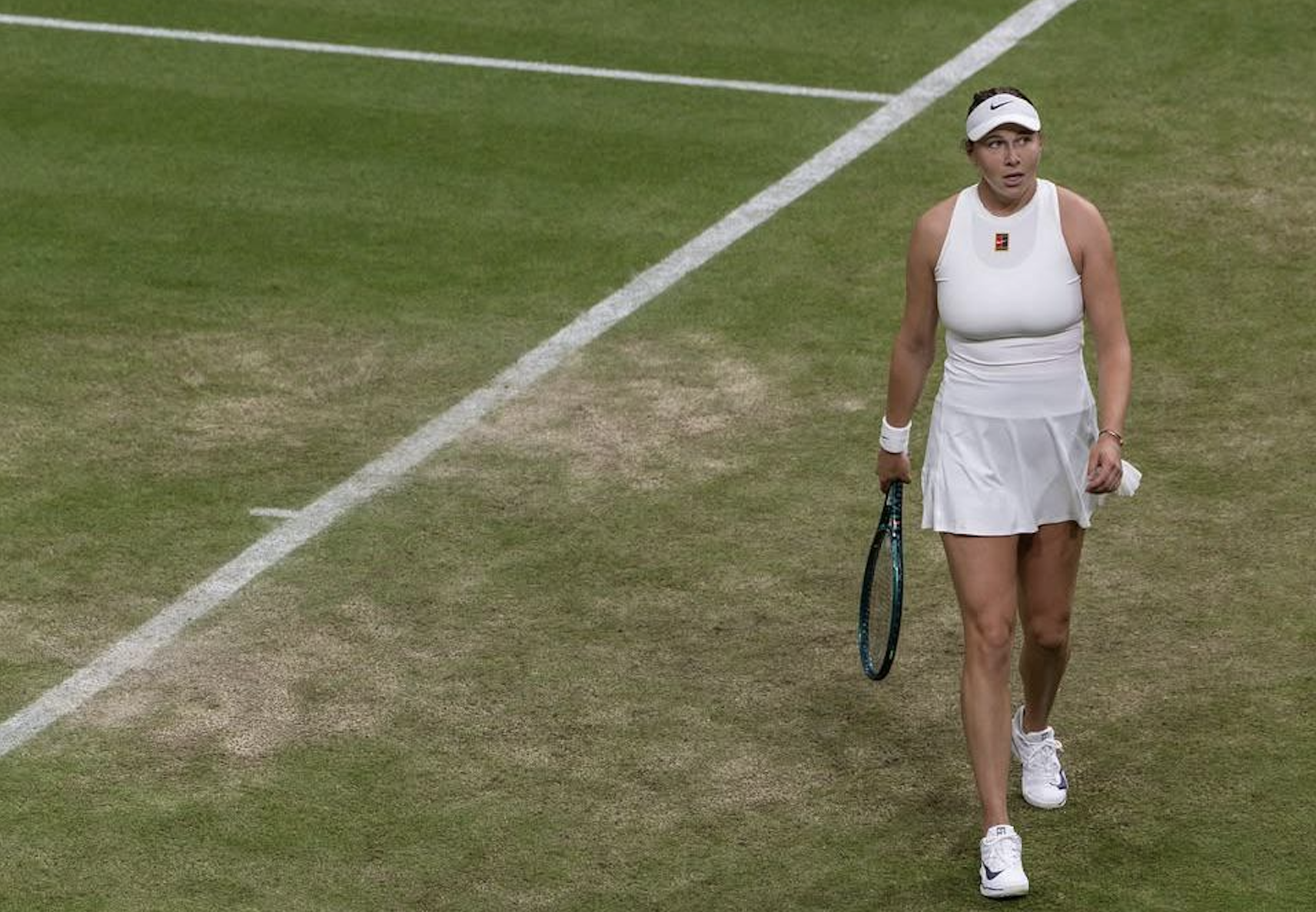
Osaka’s withdrawal from the public eye raised a huge question tennis had hardly asked itself before: Can a player fulfill her professional obligations while declining one of the tour’s most public rituals? Even Amanda Anisimova’s extended break from competition in 2023 left its mark. She spoke candidly about prioritizing her mental health, but she also resisted turning her recovery into a public show.
Both Carlos Alcaraz and Jannik Sinner have recently shown that emotional candor can unintentionally open the door to more demands for disclosure. But the Spaniard was honest, and so he opened up about the physical problems he has been suffering during the season, and the talk naturally broadened out. Fans, commentators, and journalists sought context.
A similar dynamic played out following the Italian’s unexpected sound-round exit at this year’s Roland Garros. Sinner spoke about the mental health toll following one of the most demanding periods of his career. His comments didn’t bring the conversation to a close. Instead, they led to a further layer of interpretation, analysis, and speculation, which continues throughout the current Championships in London.
What happens when this sort of availability starts to feel like an expectation instead of a choice? Psychologists have long known that disclosure is not inherently therapeutic. Timing, context, and personal/professional decisions always matter.
Research on emotional disclosure paints a more detailed picture than is often suggested by popular discourse. Talking about difficult experiences can nurture connection, reduce shame, and encourage people to seek help. Yet self-disclosure tends to be most helpful when individuals choose when, how, and to whom they can actually confess their feelings. When storytelling seems like something you HAVE to do instead of something you WANT to pursue, it may not be as good for your mental space.
Privacy can also serve an important psychological function. Elite athletes face an unusual hurdle as their work is extremely public. They cannot simply disappear without facing consequences, because contractual obligations and commercial expectations all reinforce their ongoing visibility in the industry.
So, what might a healthier system look like?
It would be naive to argue that athletes owe the public nothing, because professional tennis is also built on visibility. Sponsors invest because players are recognisable personalities rather than anonymous competitors. Journalists play an essential role by giving a framework that goes past the mere outcome. Fans buy tickets not only to watch extraordinary performances, but also to feel connected to the women and the men producing them. They naturally want to understand the human beings they admire, and they’re willing to go to greater lengths to do so.
This is not a case for returning to an era of silence. Over the past decade, things have undoubtedly become healthier. Players speak more openly about stress, grief, and loneliness than previous generations ever could. We should not reverse this progress, which doesn’t imply that players are indebted to the public in any way. They owe their effort and preparation, as well as a reasonable account of what happens on the court. However, they should not feel forced to provide unrestricted access to their inner lives. Instead of asking whether players are willing to speak, tennis should seriously start considering whether they have the right not to. This change must require more than goodwill. It demands concrete, structural changes.
Some of those are already within reach. According to Burger, the ATP and WTA "could introduce a limited number of media exemptions throughout the season, allowing players to prioritise their mental well-being without every missed press conference becoming a controversy."
He also argues that "governing bodies should distinguish more clearly between professional accountability and compulsory emotional disclosure, granting exemptions rather than penalising players for protecting their well-being."
Tours and tournaments could formalise mental health leave policies similar to those for physical injuries, letting players take time off without feeling pressured to share personal details. Media obligations could be more flexible after traumatic losses or periods of psychological distress, recognising that emotional recovery doesn’t always occur on schedule.
Journalists have a significant role, too. While accountability for performance remains an essential part of reporting, they should keep in mind the slight-yet-important distinction between asking why a forehand broke down and why a person is deeply struggling. One concerns professional performance; the other private limits.
Fans may be the ones who face the most difficult adjustment. Modern sports foster a sense of intimacy, social media constantly rewards access, and documentary series offer audiences a peek into the environment beyond the glitz and glamour. The result is a culture that has become increasingly uncomfortable with not knowing.
None of these proposals would eliminate public curiosity, and they shouldn’t. Burger imagines an alternative, one in which players can decline a press conference after a difficult defeat, with tournaments accepting the decision without implying a justification: “Giving players the option to 'opt out' to help preserve their mental health and wellbeing would be a key step towards prioritising players rather than putting the tours, media, and tournaments first at their expense. I think that this would be a positive step in the right direction for professional tennis. The tours could make a statement on social media or elsewhere indicating that the player has chosen not to speak at the post-match interview or press conference without adding reasons for this decision.”
The French philosopher Édouard Glissant argued for what he called the “right to opacity,” which he defined as the right to exist without being fully understood by others. The concept is not a defense of secrecy, but a recognition of complexity and the simple idea that no one should explain every other aspect of themselves to be understood.
At the end of the day, tennis may advance by recognizing that vulnerability is most meaningful when actually chosen. Showing respect would mean allowing a player something remarkably ordinary: to pause and find genuine peace.
Alessia Bisini is a Milan-based freelance journalist. She writes about sports, particularly tennis and football, and gender issues with a focus on the social and cultural stories behind the headlines.


