

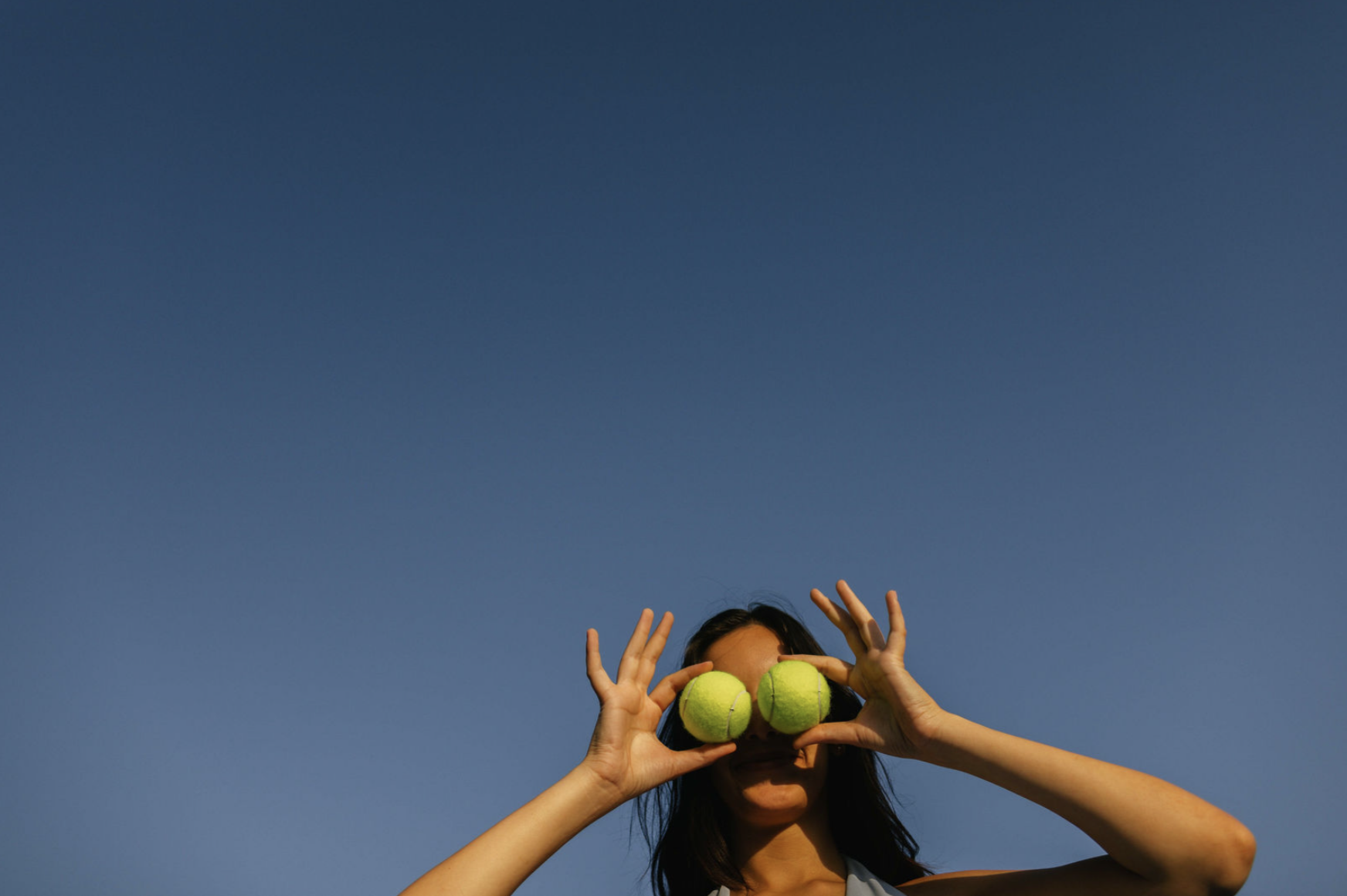
Some hotels you remember for what they offer. Others, for the way they make you see the world, while you’re visiting and after you leave. Reid’s Palace, A Belmond Hotel, Madeira, clearly belongs in the latter category. It isn’t designed to dazzle, per se (though dazzle it does). Instead, it places you in a context; a curated environment so well defined that even something as familiar as a game of tennis takes on a new dimension.
Every Belmond property has a way of inhabiting a place: observing, respecting rhythms, enjoying routines and small details. That ability to create a coherent framework–within which lucky guests can experience the world, if only for a little while–is what sets their hotels apart.

Upon arrival at Reid’s Palace, the first thing you notice is that the hotel doesn’t dominate the cliff; it folds itself into it. It inhabits several terraced levels, with stairways connecting gardens and halls, and pathways that follow the natural
topography. (Photos by Letizia Cigluitti)
I was fortunate enough to visit and play tennis at two exceptional Belmond hotels recently. I was headed to Reid’s Palace in Madeira for a cliffside retreat, but first: Castello di Casole, A Belmond Hotel, Tuscany where stone, rolling hills, rural architecture, and a distinct quiet combine to impart the Belmond aesthetic with a Tuscan flavor. It served, unintentionally, as a prelude to what I would later experience in Madeira: each Belmond property seeks to encourage you to inhabit every moment attentively.

At Castello di Casole, a seasonal hotel in the gently rolling hills of Tuscany, stone, rural architecture, and a distinct quiet combine to imbue the Belmond aesthetic with an Etruscan flavor. Tennis here feels easier, calmer, more focused; the Italian
way of relaxing with intention—il dolce far niente —probably has something to do with it. (Photos by Letizia Cigliutti)
Castello di Casole set my expectations about Belmond’s gracious approach to everything they do; Reid’s Palace confirmed them: Belmond knows that an environment can transform the way you experience a place; an activity; a moment.
Upon arrival at Reid’s Palace, the first thing you notice is that the hotel doesn’t dominate the cliff; it folds itself into it. It inhabits several terraced levels, with stairways connecting gardens and halls, and pathways that follow the natural topography. It’s a space that is cohesive rather than assertive. Nothing is flashy; everything fits. You might not notice it at first, but this integration, typical of Belmond, organizes your day and generates an almost immediate sense of order and calm.

The Hotel Cipriani Venezia opens every spring, in a decades-long dance of umbrella-opening, corridor-sweeping, and pillow-fluffing, to welcome lucky visitors for the high season. The “acqua alta” is gone for now, replaced with the warmth and excitement of Venice in summer. Their iconic red-clay tennis court sits in a lush garden at the water’s edge. (Photos by Letizia Cigluitti)
Moving through the hotel is part of the experience itself; from the terrace overlooking the Atlantic, to the halls that echo the island’s storied history, every step makes sense within the whole.
Reid’s Palace has hosted guests for more than a century, but the hotel doesn’t dramatize its past. Tradition lives in the materials–the worn wood, the high ceilings, and the way each space has been restored without erasing its identity.
This quiet continuity creates a seamless backdrop for days spent on this remote island, closer to Africa than mainland Europe, surrounded by the wine-dark waves of the Atlantic. It inspires a way of being here that goes beyond the tangible: appreciating details, pacing your day deliberately, and savoring each moment.

The name Splendido is synonymous with the understated glamor of the locale; a game on its famous tennis court overlooking the Gulf of Portofino writes you into in the history of this storied harbor, the hotel, and the countless luminaries who have visited since it opened in 1902. (Photos by Letizia Cigluitti)
The hotel boasts two tennis courts, discreetly integrated into different levels of the cliff. One opens toward the Atlantic, offering an inescapable visual frame; the other is tucked behind vegetation and walls, quieter and more intimate.
Neither seeks the spotlight; both reflect Belmond’s philosophy: activities aren’t an addition, they’re part of the space. Playing here doesn’t take you out of the hotel’s universe; tennis is a natural extension of life in Reid’s Palace, part of a deliberately curated ecosystem.
The coherence between design, history, location, and service means that everything you do—from training on the courts to walking the gardens—is part of the same narrative.

Sardinia's Romazzino emphasizes“Villeggiatura:” embracing the local community for its healthy, unhurried lifestyle. Of course, tennis features prominently at this Porto Cervohotel; LUX Tennis curates tennis and padel lessons and coaching with a view of the azure waters of the Tyrrhenian Sea. (Photos by Letizia Cigluitti)
This clarity of purpose encourages a more attentive, elegant way of living. Every moment here contributes to the whole experience: architecture, light, vegetation, and views working together to create a unique perspective for viewing the hotel, Madeira, and the world beyond.
Belmond doesn’t just aim to build hotels. It finds spaces and experiences that draw your attention, connect history, architecture, and experience, and give meaning to every activity within them. Elsewhere you play; at Reid’s Palace, you transcend the moment and become a part of the place.
Vital Villarubia is a writer and creator who connects tennis, travel and lifestyle through a personal and aesthetic lens. Between tournaments, cities, and stories, the court remains the Madrileño’s point of balance.


